Weekend Workshop: How to Spot a Profitable Side Hustle Idea
This new segment is all about helping you learn the key steps to a new side hustle in 2025, one step or concept per week. It includes activities, examples, and more—and of course it’s all free. Today’s topic: learning to spot profitable ideas.
Subscribe Now For A Free Five Step Tutorial
Get a free five-part email course that shows you how to find, validate, and launch your side hustle idea — no experience required.
Episode 2927
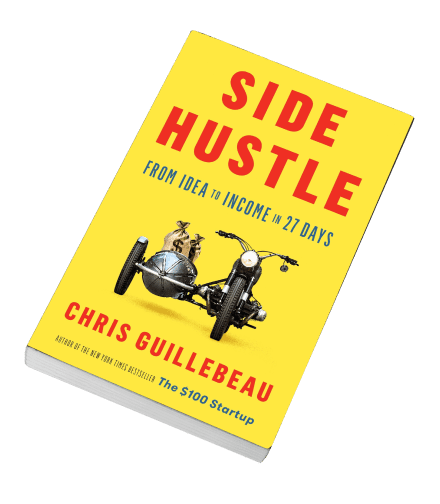
This new segment is all about helping you learn the key steps to a new side hustle in 2025, one step or concept per week. It includes activities, examples, and more—and of course it's all free. We'll be using the book SIDE HUSTLE: From Idea to Income in 27 Days (available wherever books are sold). But if you don't have the book, that's ok; I'll be taking you through the key steps along with listener stories and examples throughout the year.◆ ◆ ◆
Today's Topic: How to Spot a Profitable Side Hustle Idea
Not all side hustle ideas are created equal. Ideas are everywhere, some ideas have much better potential than others. Think of profitable ideas like seeds for a money tree—you need to plant the right ones in the right soil. The most successful side hustles share three critical qualities: Feasible: You can turn the idea into reality quickly using skills and resources you already have. If you need three years of training or a million dollars in startup costs, it's not feasible. Think about what you can do now, not what you might be able to do someday. A feasible idea lets you start immediately with minimal preparation. Profitable: There's a clear path to making money in a reasonable timeframe. A profitable idea answers the question "Who will pay for this and why?" If you can't explain how you'll make money in one sentence, keep looking. Many people get caught up in ideas that sound interesting but lack a clear revenue model. Don't fall into this trap - focus on ideas where the path to profit is obvious. Persuasive: People want or need what you're offering right now. The timing and market conditions are right. Even a great idea at the wrong time won't succeed. For example, selling handmade face masks was incredibly persuasive in 2020, less so today. Your idea needs to solve a current problem or fulfill an immediate desire. Two Quick Examples: Julia Kelly transformed $8/hour caricature work into a $250/hour digital portrait service by identifying an unmet need at corporate events. Her idea was feasible because she already had the drawing skills, profitable because corporate clients had significant budgets, and persuasive because she offered something unique that traditional photographers couldn't match. She didn't need special training or expensive equipment - she simply repositioned her existing skills for a more lucrative market. Tom loved hiking and noticed local trails were confusing to navigate. Rather than write a guidebook (which would take years), he started offering 2-hour "insider trail tours" for $75 per person - combining his existing knowledge with immediate income potential. The idea was feasible because he already knew the trails, profitable because he could take multiple hikers at once, and persuasive because tourists were actively searching for guided experiences. He didn't need permits, insurance, or special certification - he just needed to show up and share his expertise. Yours in the revolution,