Subscribe Now For A Free Five Step Tutorial
Get a free five-part email course that shows you how to find, validate, and launch your side hustle idea — no experience required.
Episode 2941
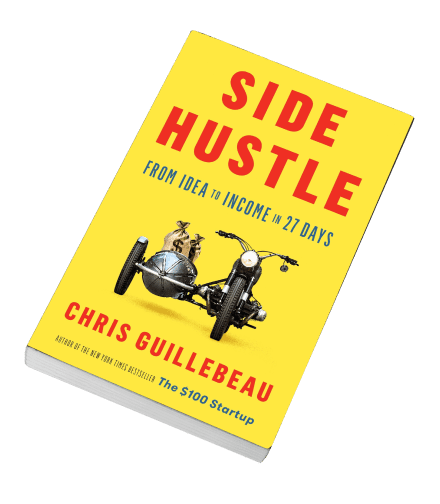
This new segment is all about helping you learn the key steps to a new side hustle in 2025, one step or concept per week. It includes activities, examples, and more—and of course it’s all free. We’ll be using the book SIDE HUSTLE: From Idea to Income in 27 Days (available wherever books are sold). But if you don’t have the book, that’s ok; I’ll be taking you through the key steps along with listener stories and examples throughout the year.◆ ◆ ◆
Today’s Topic: Sizing Up Your Ideas
Learning Objective: Learn to identify the key opportunities and obstacles for any potential side hustle before investing time and money. Every promising side hustle idea comes with both opportunities and obstacles. Success depends on identifying these early, before you’re deeply invested. Think of it like scouting a location for a new store — you want to understand both the potential and the pitfalls before signing a lease. Consider Joe Maiellano’s story. While working at a cancer research facility, he and his friend developed a great gin recipe. Their initial idea was to open a craft distillery. The opportunity was clear — they had a unique recipe and saw growing demand for craft spirits. But when they researched the obstacles, they discovered: • Need for $1-3 million in startup costs• Complex regulations at local, state, and federal levels
• Long approval process for licenses Rather than give up, they pivoted. Instead of making gin, they created kits for people to make their own gin at home. “Homemade Gin Kit.” This new approach had: • Much lower startup costs
• Fewer regulations to navigate
• Faster path to market Two Quick Examples: A construction project manager noticed bland artwork in new apartment buildings. The obvious opportunity was selling better art. But rather than becoming an artist or art dealer (major obstacles), she became a curator and consultant — connecting local artists with developers. She leveraged her industry connections while avoiding inventory and upfront costs. A web developer noticed commuters needed better traffic information. Instead of trying to build a complex app with live traffic monitoring (huge technical obstacle), he started by simply combining existing public transit data in a more user-friendly format. He focused on what he could do immediately rather than getting stuck on a perfect solution.
Every side hustle idea needs two types of examination: honest brainstorming and basic research. Through brainstorming, explore what makes your idea uniquely promising. Consider the resources you already have versus what you’ll need to acquire. Think about how quickly you could make your first sale and what might stand in your way. The research phase is about learning from others’ experiences. Look for similar businesses or services. Notice what customers say about existing solutions. Understand typical price ranges and basic requirements. You don’t need to become an expert — you just need enough information to make an informed decision. The goal isn’t finding a perfect, obstacle-free idea. You’re looking for an idea where the opportunities clearly outweigh the challenges. Action Exercise Take your top side hustle idea and create a simple analysis. Write out a paragraph about each: Opportunities Section:
Describe your advantages, existing resources, and potential for growth. Consider who your first customers might be and how you’d reach them. Think about what makes your approach unique or valuable. Obstacles Section:
Be honest about startup costs, skills needed, and time requirements. Consider regulations or competition you’ll face. Look for potential roadblocks that could slow you down. Example Analysis — Mobile Pet Grooming Service:
“My biggest opportunities come from my existing vehicle and five years of pet care experience. Local vet connections could provide early customers, and our growing neighborhood has many busy pet owners willing to pay premium prices for convenience.” “The main obstacles are getting certified ($2,000), buying equipment ($3,000), and handling insurance. While there are other mobile groomers, the area seems underserved. The six-dogs-per-day limit means I’ll need to charge premium rates to make it worthwhile.” Quick Self-Check:
• Do the opportunities clearly outweigh the obstacles?
• Which obstacles could you overcome quickly?
• What’s the minimum you need to get started? Remember: Your goal isn’t to eliminate all obstacles — it’s to find an idea where you can handle the challenges while capitalizing on the opportunities. Yours in the revolution,